Morocco doesn’t just impress, it gets under your skin.
In a single trip, you can sip mint tea in a 12th-century medina, sleep under a blanket of Saharan stars, hike through snowcapped Atlas Mountain villages, ride a camel at sunset, and watch the Atlantic crash against ancient sea walls. Few countries pack this much contrast, color, and soul into one destination.
Morocco welcomes over 13 million international tourists every year, and once you’ve been, it’s easy to understand why. Whether you’re a first-timer or a returning traveler, this guide covers the 20 best things to do in Morocco, with insider tips, practical advice, and everything you need to plan an unforgettable trip.
Let’s explore.
| # | Experience | Best For |
|---|---|---|
| 1 | Marrakech Medina | Culture, food, atmosphere |
| 2 | Sahara Desert camel trek | Adventure, romance |
| 3 | Chefchaouen blue city | Photography, relaxation |
| 4 | Fes medina | History, architecture |
| 5 | Aït Benhaddou kasbah | Film lovers, history |
| 6 | Atlas Mountains hike | Trekking, Berber culture |
| 7 | Essaouira coastal city | Beach, art, seafood |
| 8 | Hammam experience | Wellness, local culture |
| 9 | Volubilis Roman ruins | History, photography |
| 10 | Moroccan family meal | Authentic experiences |
| 11 | Majorelle Garden | Nature, art |
| 12 | Hassan II Mosque | Architecture, religion |
| 13 | Todra Gorge | Nature, hiking |
| 14 | Ourika Valley day trip | Nature, Berber villages |
| 15 | Ouarzazate film studios | Cinema, history |
| 16 | Meknes imperial city | History, off the beaten path |
| 17 | Agadir beaches | Sun, sea, watersports |
| 18 | Tangier cosmopolitan city | Art, history, culture |
| 19 | Rabat, the capital | Architecture, calm |
| 20 | Quad biking in the desert | Adrenaline, fun |
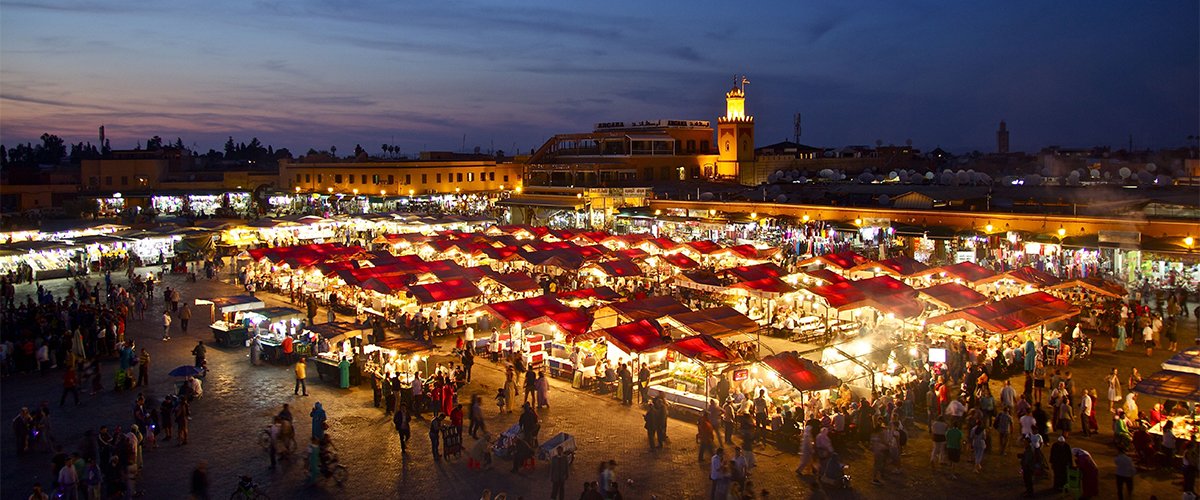
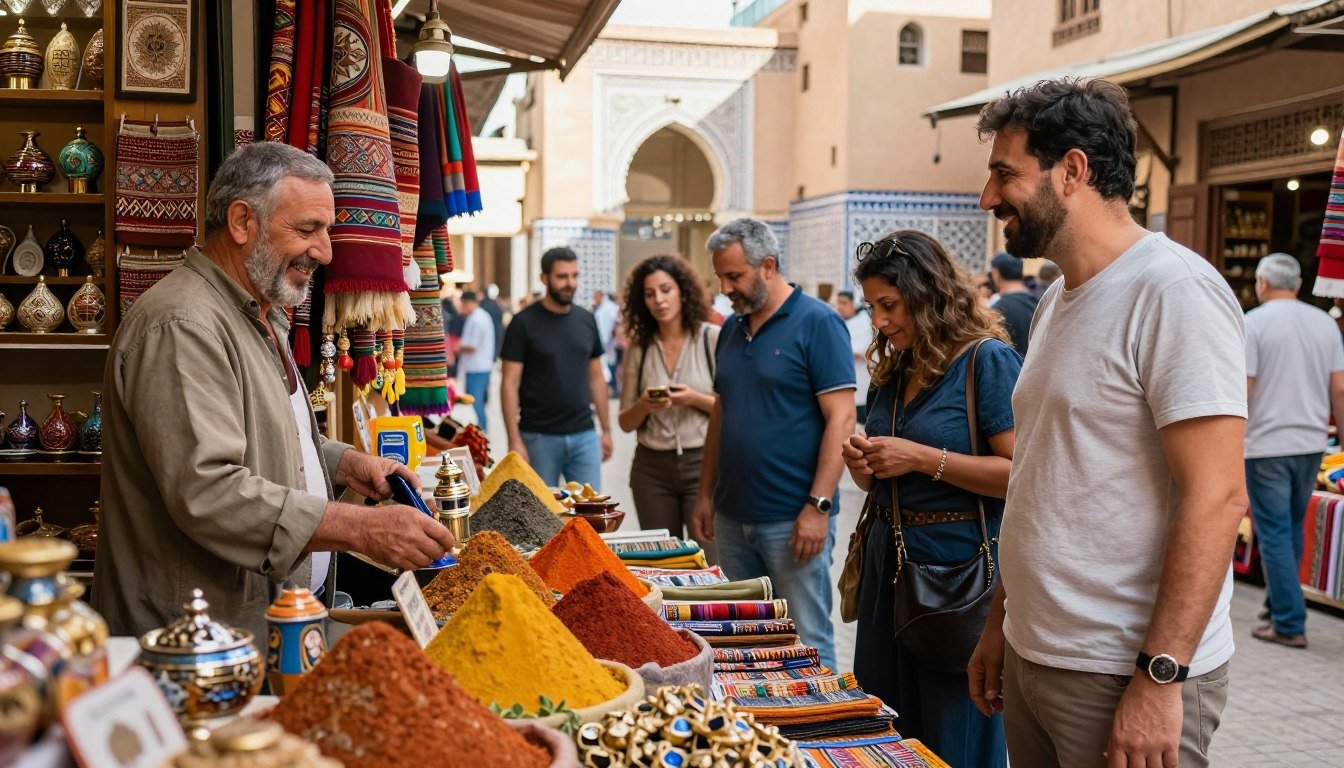
The medina of Marrakech is a UNESCO World Heritage Site and one of the most vibrant urban labyrinths on earth. Narrow alleyways open suddenly into spice-filled souks, rooftop terraces, and hidden riads draped in bougainvillea.
Don’t over-plan this one. Wander. Stumble into a leather tannery. Bargain for handwoven textiles at Souk Semmarine. Stop at Jemaa el-Fna square at sunset and watch the city transform from a daytime marketplace into an open-air theatre of storytellers, musicians, acrobats, and street food vendors.
💡 Insider tip: The souks are organized by trade, spices in one quarter, metalwork in another. A local guide will help you navigate, negotiate, and avoid tourist traps.
👉 Explore our Marrakech-based tours
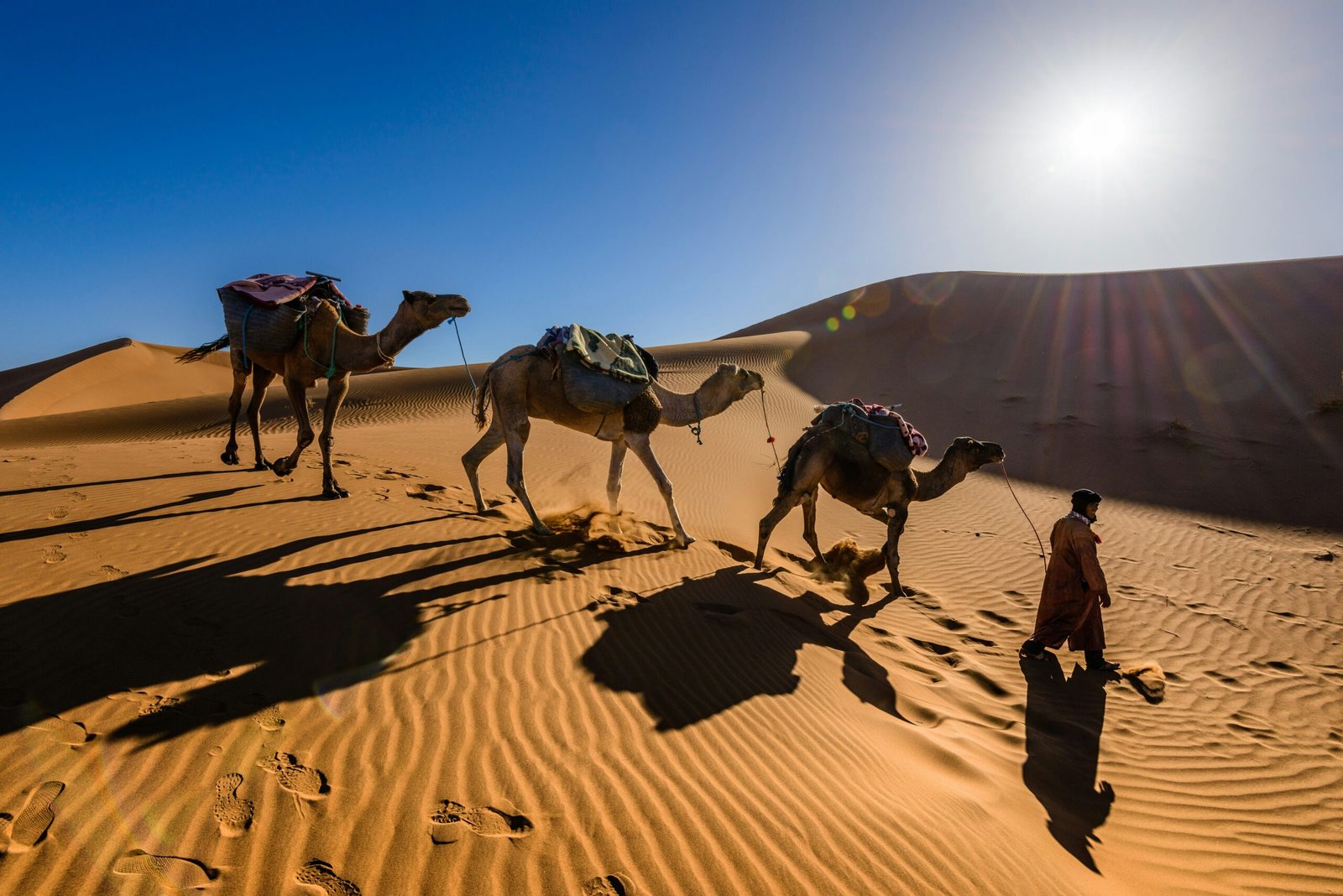
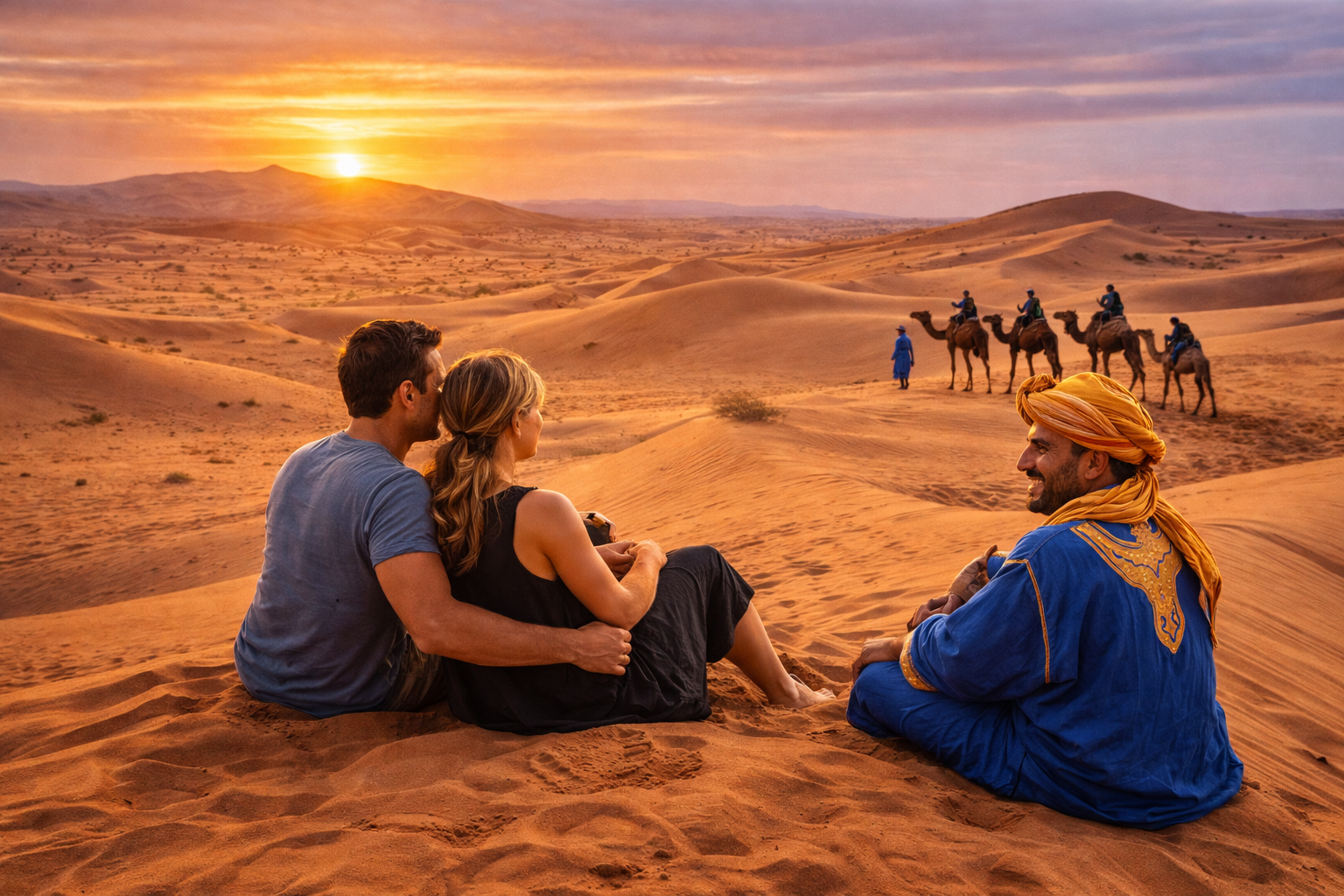
This is the experience that defines Morocco for most visitors. The Erg Chebbi dunes near Merzouga are the country’s most spectacular, towering orange dunes that shift with the wind and glow deep red at sunrise.
🗺️ Getting there: Most travelers join a guided desert tour from Marrakech, Fes, or Casablanca, typically 3 to 6 days, covering the best of southern Morocco along the way.
👉 See our desert tours from Marrakech
👉 6-day desert tour from Fes to Marrakech
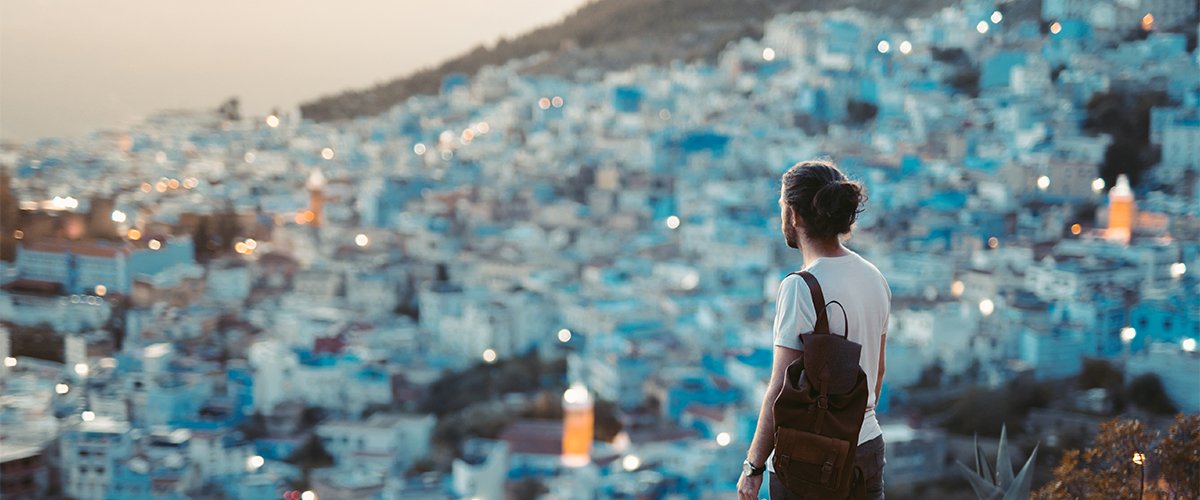
Tucked into the Rif Mountains of northern Morocco, Chefchaouen is unlike anywhere else in the world. Its streets, walls, and doorways are painted in dozens of shades of blue, from pale sky to deep indigo, creating a town that feels almost otherworldly.
It’s peaceful, photogenic, and genuinely charming. Explore the medina, hike up to the Spanish Mosque for a panoramic view over the rooftops, and sample the local goat cheese. Chefchaouen is the slower-paced counterpoint to Marrakech’s buzz, and most visitors wish they’d stayed longer.
💡 Tip: Visit early morning for the best photos before the crowds arrive.
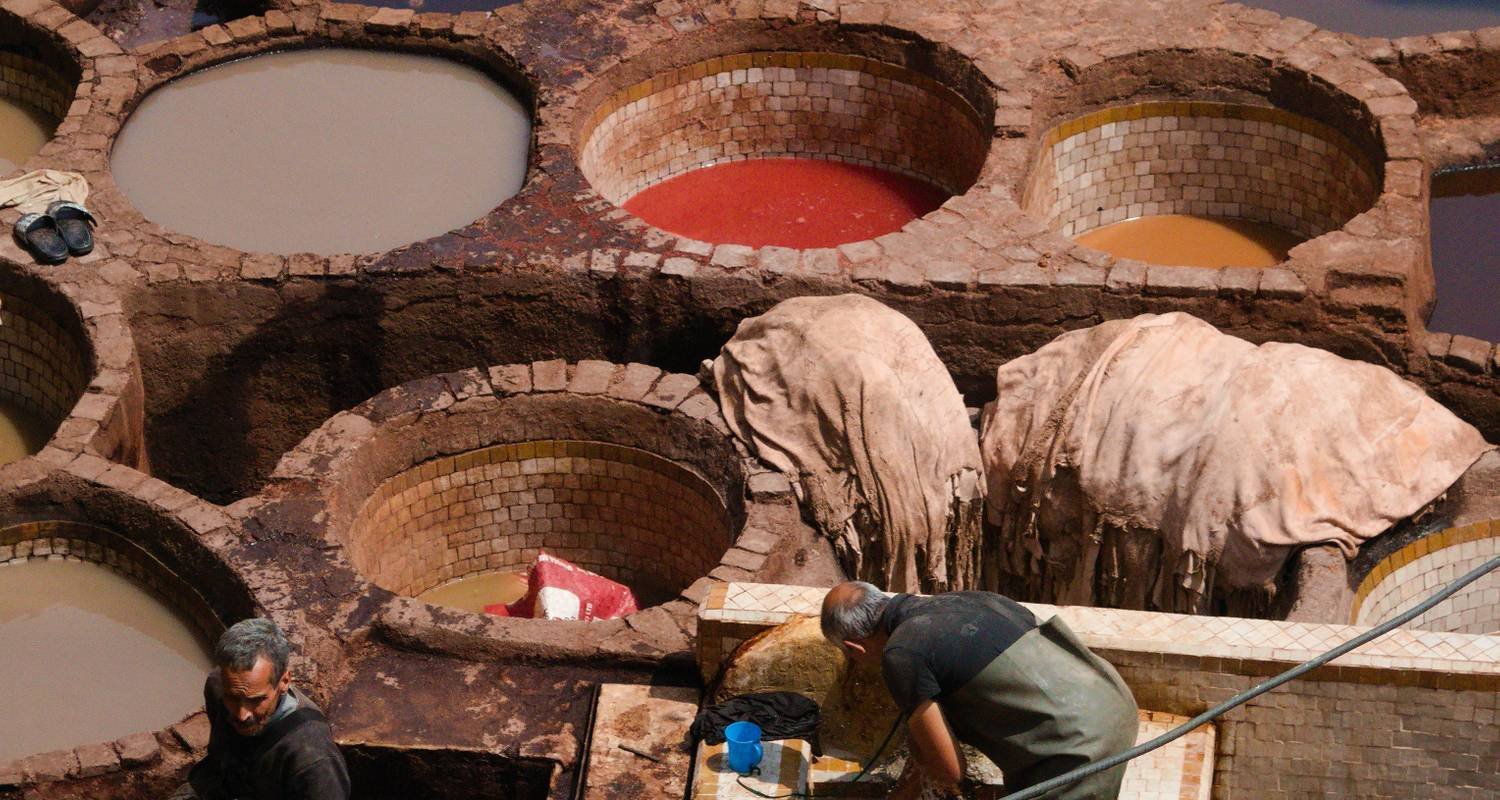
If Marrakech is Morocco’s beating heart, Fes is its soul. The medina of Fes el-Bali is the largest car-free urban area in the world, a 9th-century city frozen in time, where donkeys still carry goods through streets that haven’t changed in centuries.
👉 Discover our 4-day Fes to Marrakech tour
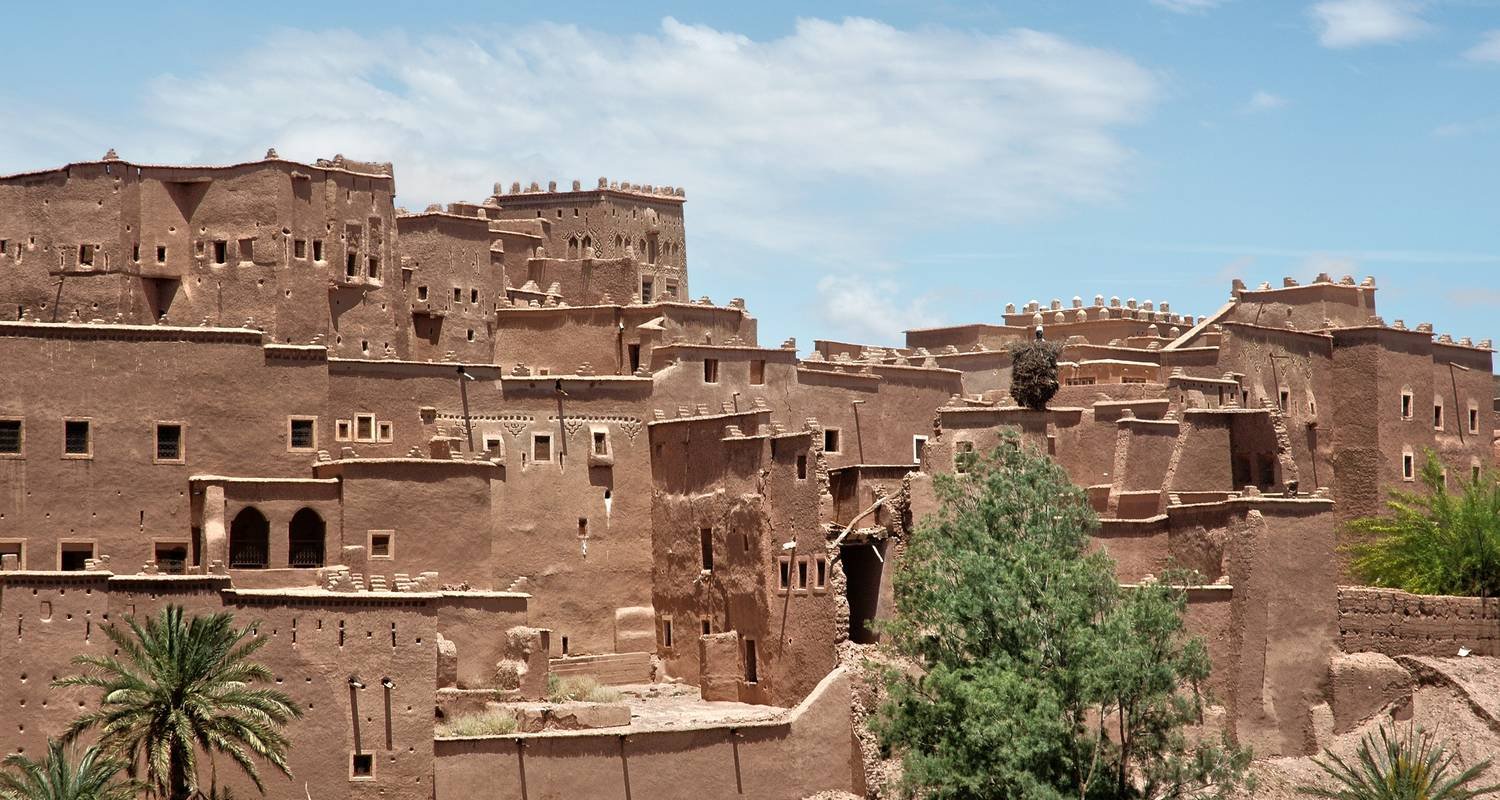
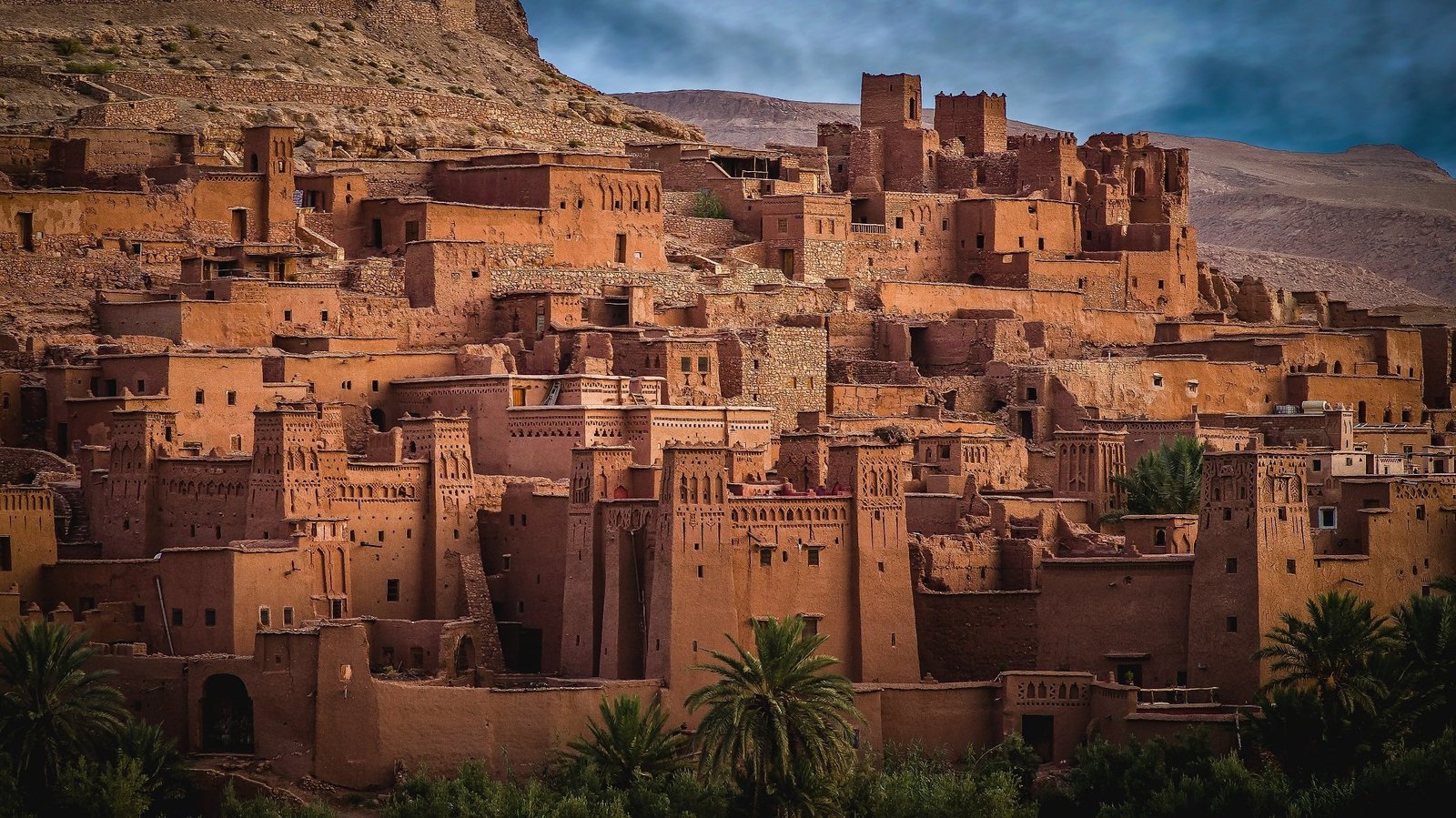
Between Ouarzazate and the Draa Valley lies one of Morocco’s most cinematic landscapes: ancient mud-brick fortresses set against desert plains and palm-lined riverbeds. This is where Gladiator, Lawrence of Arabia, The Mummy, and Game of Thrones were filmed.
Aït Benhaddou, a UNESCO World Heritage Site, is the crown jewel. Wander through labyrinthine passages, climb to the granary at the top, and soak in a view that genuinely looks like the set of an epic film, because it was.
The High Atlas Mountains run like a spine through central Morocco, peaking at Jebel Toubkal, at 4,167 metres, the highest mountain in North Africa. Toubkal is a serious but achievable summit for fit hikers, typically done as a two-day trek.
Not a summit hiker? No problem. The valleys around Imlil and Ouirgane offer gentler trails through Berber villages, walnut orchards, and terraced fields. You’ll eat home-cooked tagines and sleep with mountain air pouring through the window.
💡 Best time to hike: Spring (April–May) and autumn (September–October) for the most comfortable temperatures and clearest views.
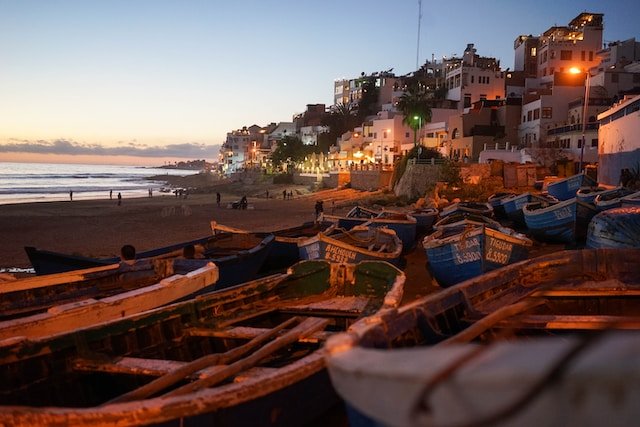
Essaouira is Morocco’s bohemian seaside escape, a wind-swept Atlantic port with whitewashed medina walls, blue fishing boats, and a creative energy that has attracted artists and musicians for decades. (Jimi Hendrix famously spent time here in the 1960s.)
💡 Day trip or overnight? Essaouira is 2.5 hours from Marrakech, doable as a day trip, but far better with a night or two.
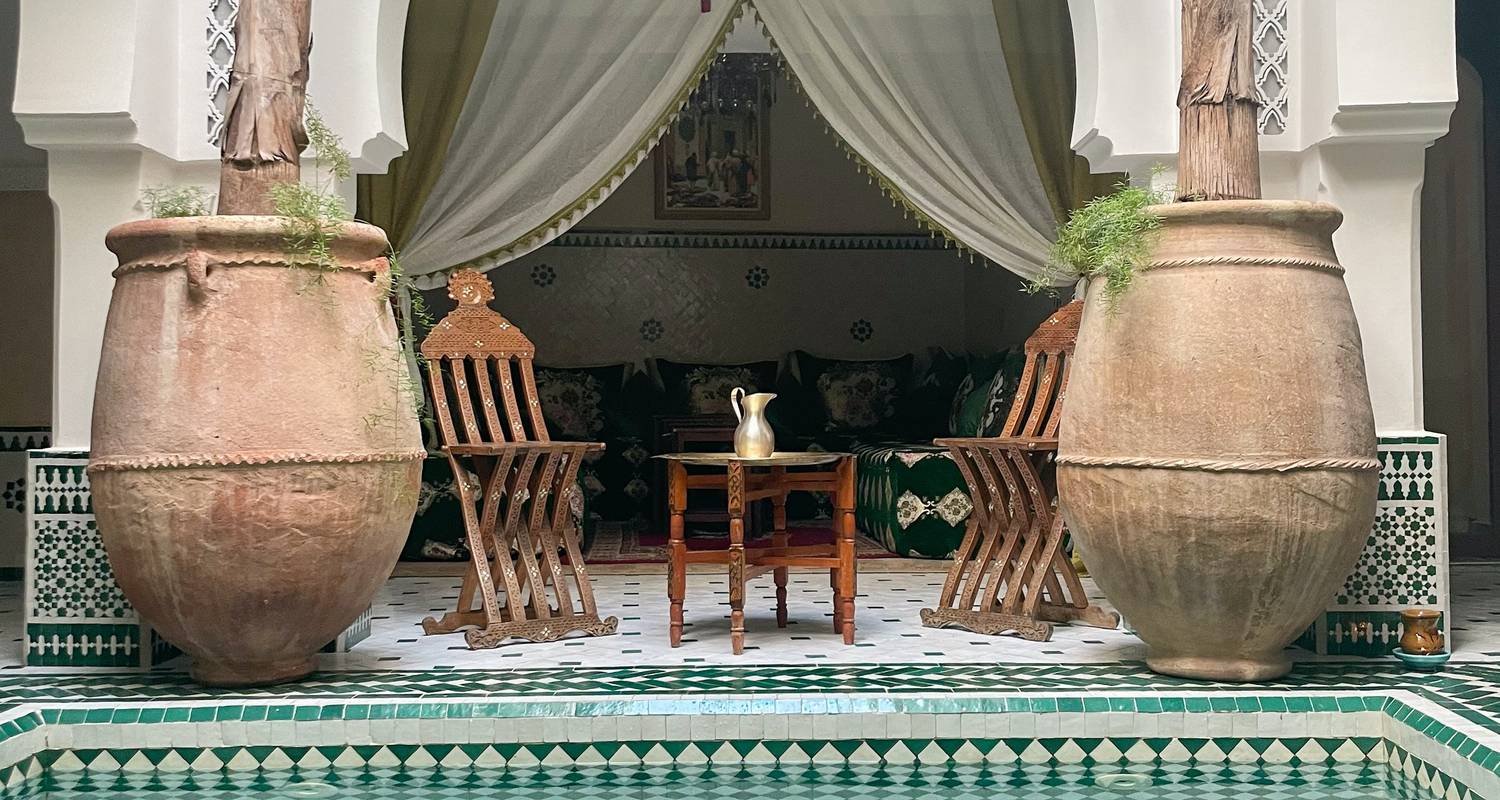
A hammam is Morocco’s version of a spa, but older, more communal, and deeply embedded in daily life. The ritual:
There are tourist-friendly hammams in every city, but if you can, ask your guide to take you to a local hammam du quartier. The experience is completely different, and that’s the point.
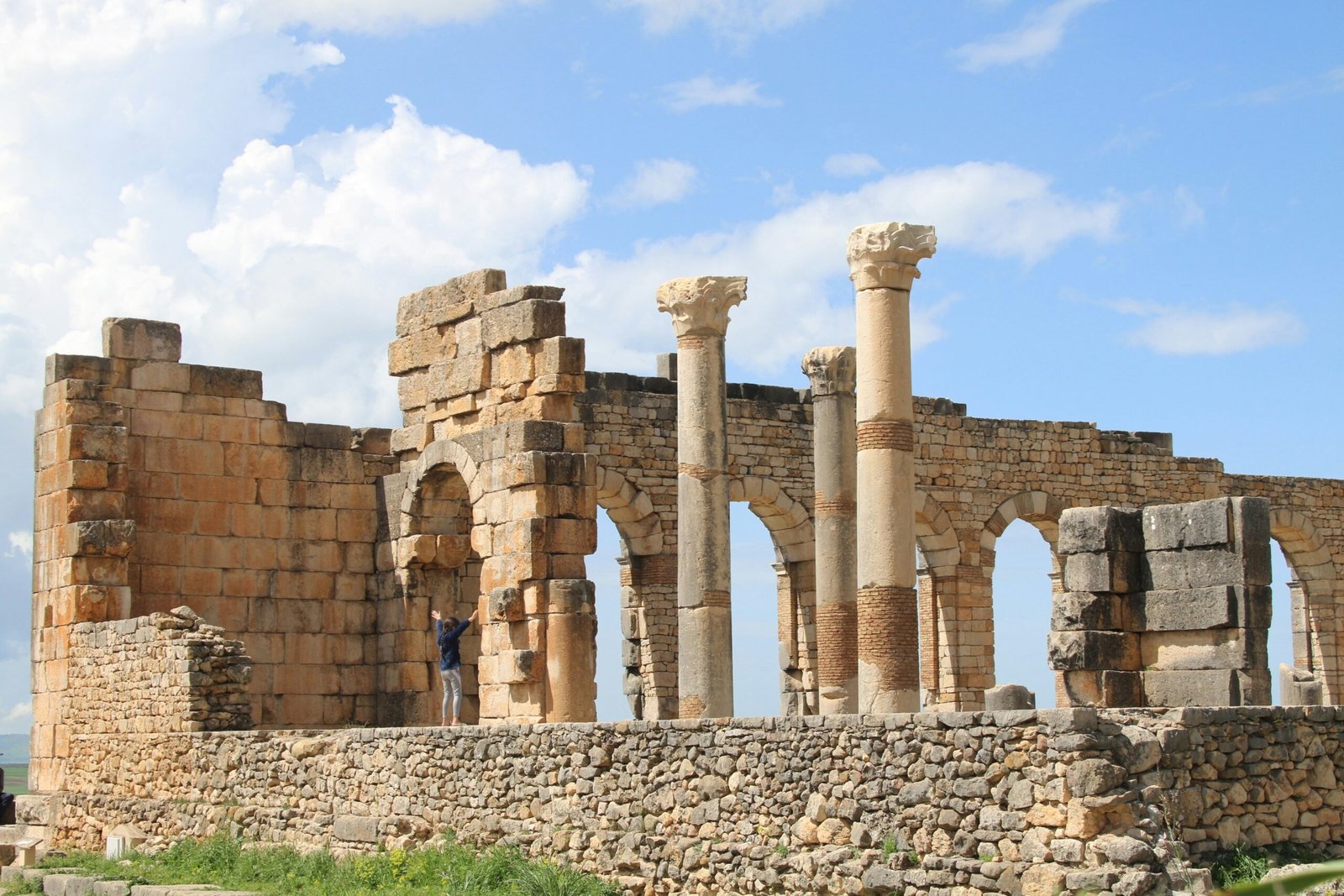
Most visitors miss this one, which is exactly why it’s worth going. Volubilis is a remarkably well-preserved Roman city near Meknes, with intact triumphal arches, mosaic floors, and olive presses dating back to the 1st century AD.
Walking through Volubilis at golden hour, with storks nesting on ancient columns above you, is one of the most quietly spectacular experiences Morocco has to offer.
💡 Combine it with: A visit to the imperial city of Meknes and the holy town of Moulay Idriss nearby.
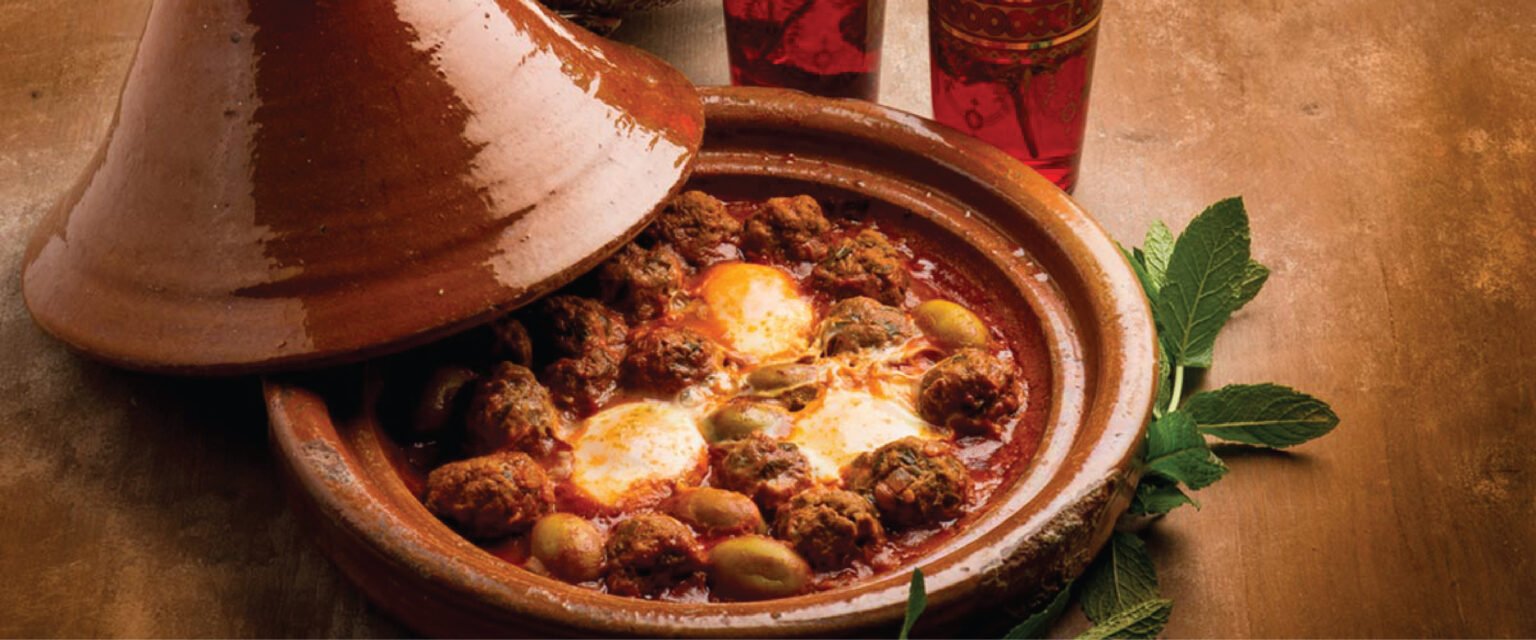
This isn’t something you book, it’s something you earn by slowing down and being open. But many riads and local guides can arrange home-dining experiences where you share a meal with a Moroccan family.
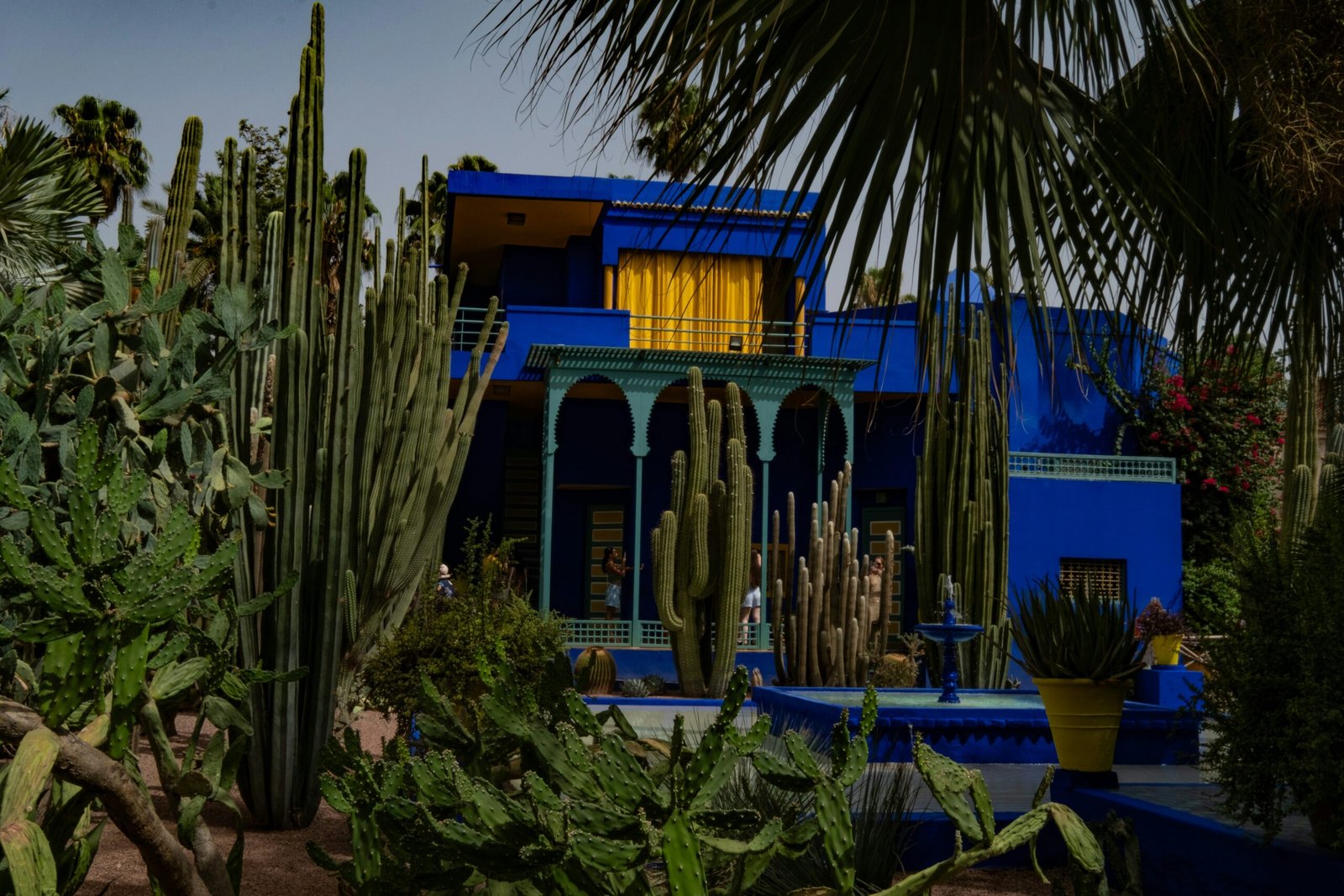
Designed by French painter Jacques Majorelle and later restored by Yves Saint Laurent, this botanical garden is a stunning oasis of cobalt blue, exotic cacti, and tranquil lily ponds. The Berber Museum on-site houses a fascinating collection of Amazigh artifacts.
💡 Arrive early (opening time) to beat the crowds and photograph the garden in soft morning light.
The Hassan II Mosque is one of the largest mosques in the world, its minaret stands 210 metres tall, the highest religious structure on earth. Built on a promontory over the Atlantic Ocean, with a retractable glass roof and ocean views from inside, it’s an architectural marvel. Non-Muslim visitors are welcome on guided tours outside of prayer times.
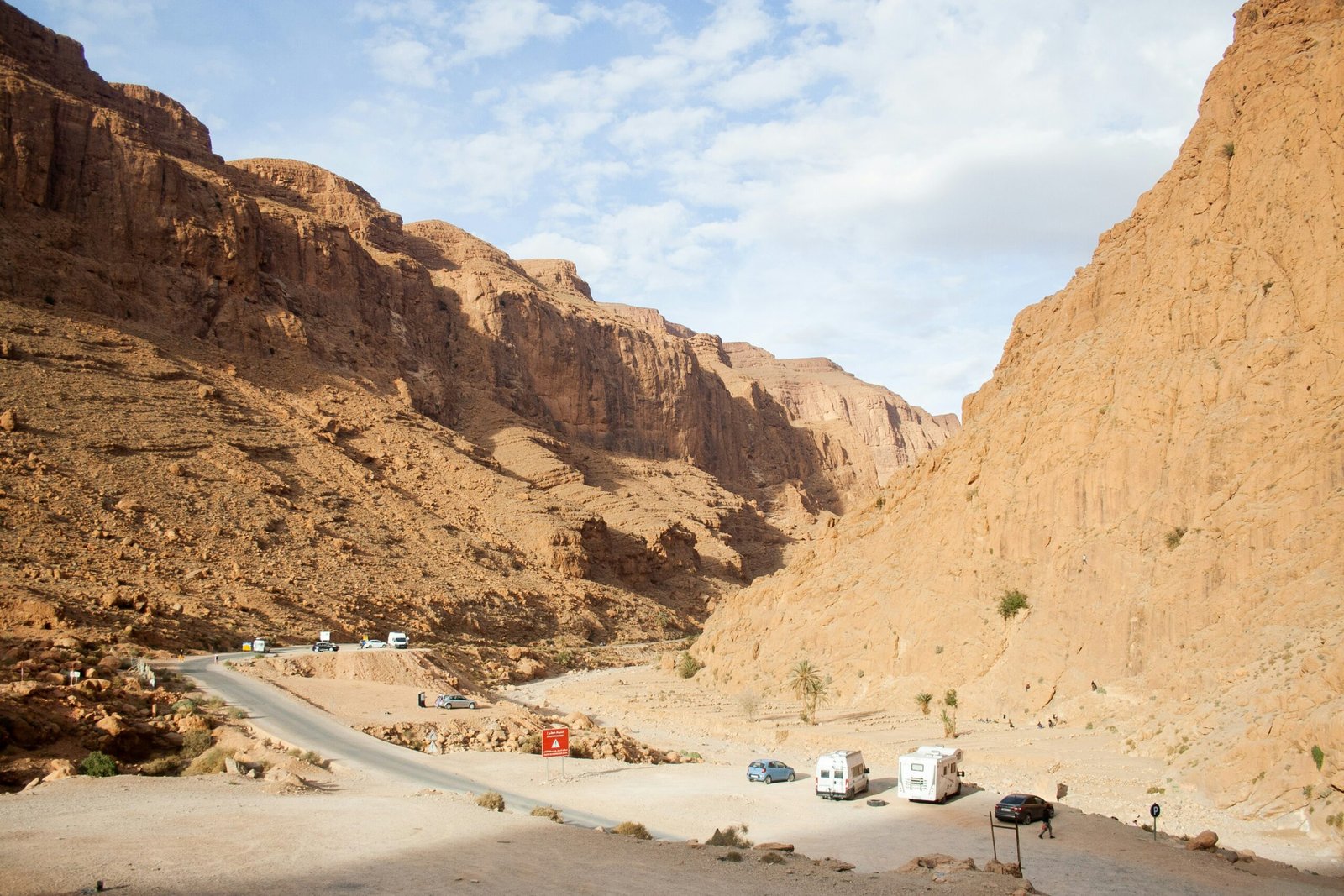
Carved by the Todra River over millions of years, the Todra Gorge features walls rising 300 metres above the narrow valley floor. It’s one of Morocco’s most dramatic natural landscapes, and one of the best places in the country for rock climbing and canyon hiking. Located near Tinerhir, it’s a natural stop on any desert tour route.
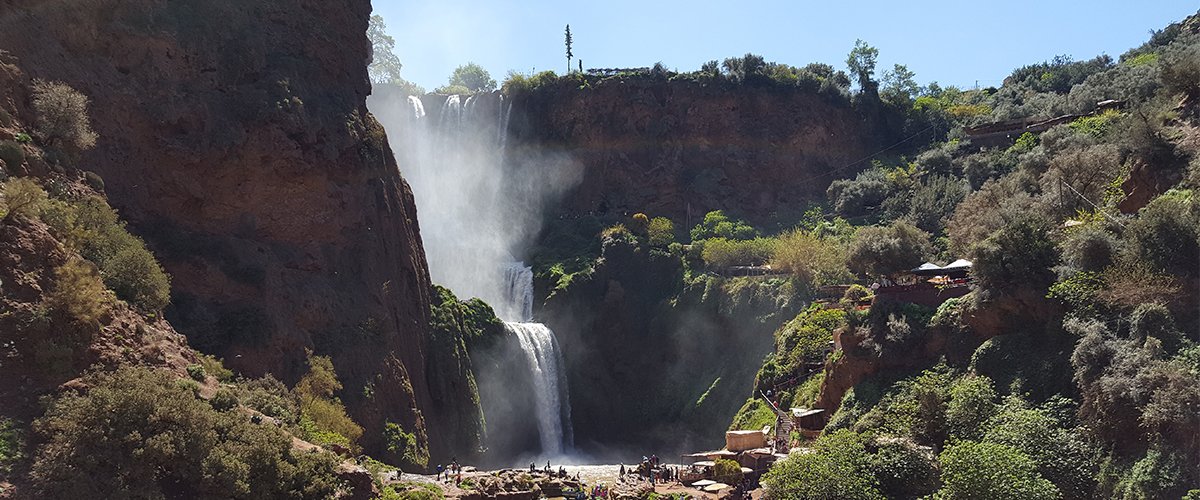
Just 45 minutes from Marrakech, the Ourika Valley offers terraced fields, cascading waterfalls, Berber villages, and the scent of wild herbs. Visit the Seven Cascades of Setti Fatma and stop at a riverside cafe for a tagine with a mountain view. Simple, beautiful, restorative.
The “Hollywood of Africa”, visit the world’s largest film studios and see iconic sets from Gladiator, Game of Thrones, and Babel. Combine with nearby Kasbah Taourirt and the Fint Oasis.
Less crowded than Fes or Marrakech, Meknes rewards curious travelers with grand imperial gates (Bab Mansour), vast palace ruins, and one of Morocco’s most authentic medinas.
Morocco’s top beach resort city, with 300 days of sunshine, a 10km beach, and a buzzing marina. Ideal for families and beach lovers who want to combine relaxation with culture.
Perched where the Atlantic meets the Mediterranean, Tangier has a cosmopolitan energy unlike anywhere else in Morocco. Literary history (Paul Bowles, William Burroughs), a dramatic cape view, and a vibrant medina make it a compelling destination.
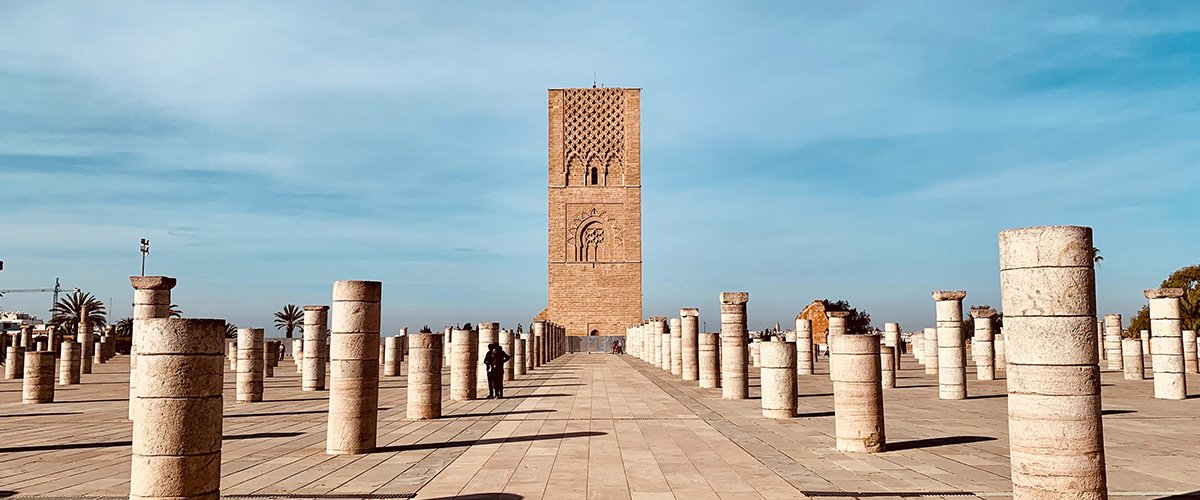
Elegant, calm, and surprisingly beautiful. The Kasbah of the Udayas, Hassan Tower, and the ancient Chellah ruins are world-class sights without the tourist crowds of Marrakech or Fes.
For adrenaline seekers: quad biking through the Sahara dunes, sandboarding, 4×4 off-road adventures, and even hot air balloon rides over the Marrakech palm groves are all available through local operators.
| Season | Weather | Ideal For |
|---|---|---|
| Spring (Mar–May) | Mild, 20–28°C | Everything, best overall |
| Summer (Jun–Aug) | Hot, 35–45°C in south | Beaches, northern cities |
| Autumn (Sep–Nov) | Mild, 22–30°C | Desert, mountains, cities |
| Winter (Dec–Feb) | Cool, 10–18°C | Sahara nights, Atlas snow treks |
Yes, Morocco is generally safe for tourists. The country has a strong tourism infrastructure and most visitors have trouble-free trips. Use common sense: be aware of your surroundings in crowded markets, keep valuables secure, and stick to reputable, licensed tour operators for desert and mountain excursions.
Spring (March to May) and autumn (September to November) offer the most comfortable temperatures across the country. Summer is intense in the desert, while winter is perfect for skiing in the Atlas or cozy evenings in a desert camp.
A minimum of 7–10 days allows you to cover Marrakech, the Sahara, and one or two other cities. Two weeks is ideal for a more relaxed trip including the coast and north. Marrakech alone deserves at least 3 days.
Citizens of the EU, US, UK, Canada, and Australia do not need a visa for stays up to 90 days. Always check the latest requirements based on your nationality before traveling.
Arabic and Tamazight (Berber) are official languages. French is widely spoken in cities and tourism. English is increasingly common in tourist areas. A few words of Arabic (shukran = thank you, salam = hello) are always warmly received.
The Moroccan Dirham (MAD). It’s a closed currency, not available outside Morocco, so exchange money or use ATMs on arrival. Euros, US dollars, and British pounds are the easiest to exchange.
It’s recommended to drink bottled water. Tap water is generally safe in cities but can cause stomach issues for travelers with sensitive digestive systems.
Absolutely. Morocco is an excellent family destination, camel rides, desert camps, kasbahs, and hammams are exciting for children, and Moroccan culture is extremely welcoming to families.
Yes, especially when visiting medinas, mosques, and smaller towns. Light clothing that covers shoulders and knees is respectful and practical. In beach resorts like Agadir, normal beach attire is perfectly acceptable.
Both are possible, but for first-timers, especially for desert and mountain experiences, a local guided tour is strongly recommended. Local knowledge, language skills, and established routes make a huge difference to the quality of your experience.
Morocco Safe Tours is a local, Marrakech-based agency that knows this country the way only locals can. From 3-day Sahara adventures to 14-day grand tours covering the Imperial Cities, the desert, and the coast, we design experiences tailored to you, safe, authentic, and unforgettable.
👉 Browse all our Morocco tours
👉 Contact us to plan your custom itinerary