Traveling to Morocco can be a thrilling experience, with its rich cultural heritage and breathtaking landscapes. However, safety concerns can be a significant worry for many travelers.

Understanding the safety situation in Morocco is crucial before embarking on your journey. Various types of travelers, from solo adventurers to families, have different concerns when it comes to safety.
This article aims to provide a comprehensive guide to Morocco travel safety, offering valuable insights and tips to ensure a smooth and enjoyable trip.
As travelers consider Morocco for their next destination, concerns about safety naturally arise, warranting a closer look. Morocco, known for its diverse landscapes and rich cultural heritage, has a complex security situation that is essential to understand.
Morocco is generally considered a safe country for tourists, with low crime rates compared to other popular destinations. The government has implemented various measures to enhance security, particularly in tourist areas. Petty theft and scams are the most common issues travelers might encounter, but these can be mitigated with awareness and precautions.
The Moroccan authorities have a strong focus on tourist safety, with visible police presence in major cities like Marrakech and Fez. Additionally, the country has seen significant investment in security infrastructure, contributing to a safer environment for visitors.
One common misconception is that Morocco is unsafe due to its proximity to regions affected by conflict. However, Morocco is a stable country with a robust security apparatus. While it’s true that there are areas of concern, such as near the borders with Western Sahara, these are not typical tourist destinations.
Another misconception is that Morocco is not welcoming to tourists. On the contrary, Moroccans are known for their hospitality. Tourists often comment on the warm welcomes they receive, making their travel experiences positive and memorable.
As travelers from various backgrounds flock to Morocco, understanding the specific safety considerations for different types of travelers becomes essential. Morocco’s diverse appeal means that various groups face unique challenges, and being informed is key to a safe and enjoyable trip.
Solo travelers in Morocco often find the country welcoming, with many opportunities to engage with locals. However, it’s crucial to remain vigilant, especially in crowded areas like souks and major tourist sites, where pickpocketing can be a concern. Solo travelers should also consider staying in well-reviewed accommodations and joining group tours to enhance their safety and experience.
Female travelers in Morocco may encounter specific challenges, including unwanted attention. Dressing modestly and being aware of local customs can help mitigate these issues. It’s also advisable for women to avoid traveling alone at night and to be cautious when interacting with strangers, particularly in isolated areas.
Morocco is generally not considered LGBTQ+-friendly, as same-sex relationships are not widely accepted. LGBTQ+ travelers should exercise discretion and be aware of the local laws and cultural norms to avoid any potential issues during their visit.
Families traveling with children will find Morocco to be a rich and engaging destination. However, it’s essential to be mindful of the local environment and keep a close eye on children, especially in crowded markets or tourist areas, to prevent them from getting lost or overwhelmed.
By understanding these specific safety considerations, different types of travelers can better prepare for their journey to Morocco, ensuring a more secure and enjoyable experience.
Understanding the safety landscape of different regions in Morocco is crucial for a smooth trip. Morocco’s diverse regions, from bustling cities to serene landscapes, each have unique safety considerations that travelers should be aware of.
Morocco’s major cities are generally safe for tourists, with Marrakech and Rabat being considered particularly welcoming. However, petty theft and scams can occur, especially in crowded areas like markets and tourist hotspots.
Visitors should remain vigilant, especially in Marrakech’s Medina, where pickpocketing is common. Using reputable taxi services and being cautious of overly friendly strangers can help minimize risks.
| City | Safety Concerns | Precautions |
|---|---|---|
| Marrakech | Pickpocketing, scams | Be cautious in crowded areas, use reputable taxis |
| Casablanca | Petty theft | Keep valuables secure, be aware of surroundings |
| Fez | Overcrowding, scams | Stay alert in crowded areas, avoid displaying wealth |
| Rabat | Generally safe | Normal precautions apply |
Coastal areas like Essaouira and Agadir are known for their safety and relaxed atmosphere. These destinations are generally considered safe for tourists, with low crime rates.
However, it’s always wise to take normal precautions, such as keeping an eye on personal belongings and being mindful of swimming conditions.
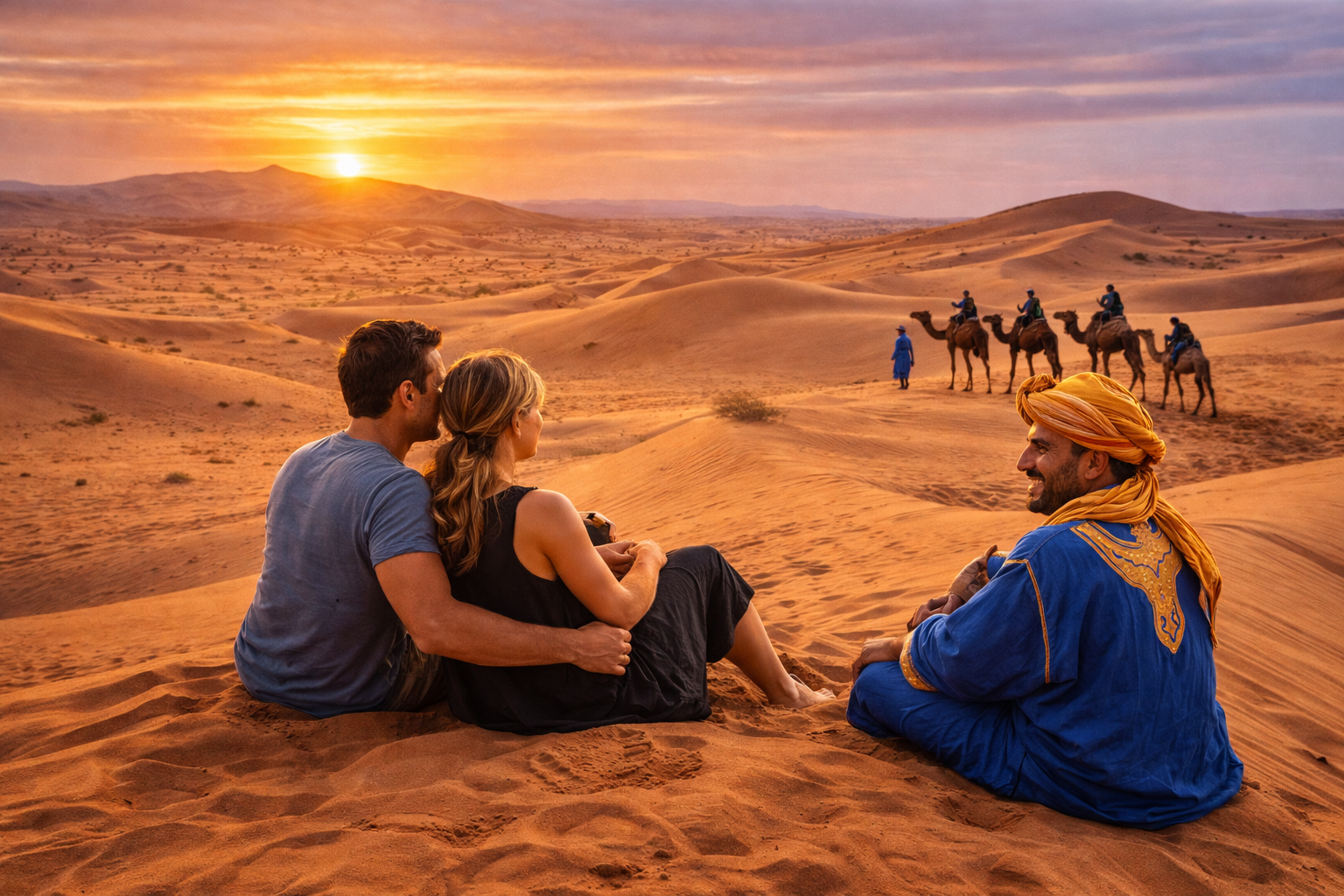
The Atlas Mountains and desert regions offer breathtaking landscapes but require additional caution. Traveling through these areas, especially by car or on hikes, demands preparation and awareness of the terrain.
Visitors should be prepared for changing weather conditions and potential isolation. Guided tours can enhance safety in these regions.
Certain border areas, particularly near Western Sahara, are restricted due to security concerns. Travelers should avoid these zones and check the latest travel advisories before planning their itinerary.
Understanding local conditions and following local advice can help ensure a safe and enjoyable trip.
Traveling to Morocco can be a rewarding experience, but being informed about potential safety issues is crucial. While Morocco is generally considered safe for tourists, there are specific safety concerns to be aware of to ensure a smooth and enjoyable trip.
Petty theft and pickpocketing are common issues in tourist areas. To minimize the risk, keep your valuables secure and be mindful of your surroundings, especially in crowded places like markets and public transportation. Avoid displaying signs of wealth, such as expensive jewelry or large amounts of cash.
Scams can also be a problem, with scammers often targeting unsuspecting tourists. Be cautious of overly friendly locals who approach you with deals that seem too good to be true. Always research and verify the authenticity of any service or product before making a purchase.
Street harassment can be an issue, particularly for solo female travelers. Dressing modestly and being aware of your surroundings can help minimize unwanted attention. It’s also advisable to avoid engaging with harassers and to seek help from local authorities or your hotel if necessary.

While the risk of terrorism exists in Morocco, as it does in many countries, the Moroccan government has implemented various security measures to protect tourists. Staying informed about local conditions and following government travel advisories can help mitigate this risk.
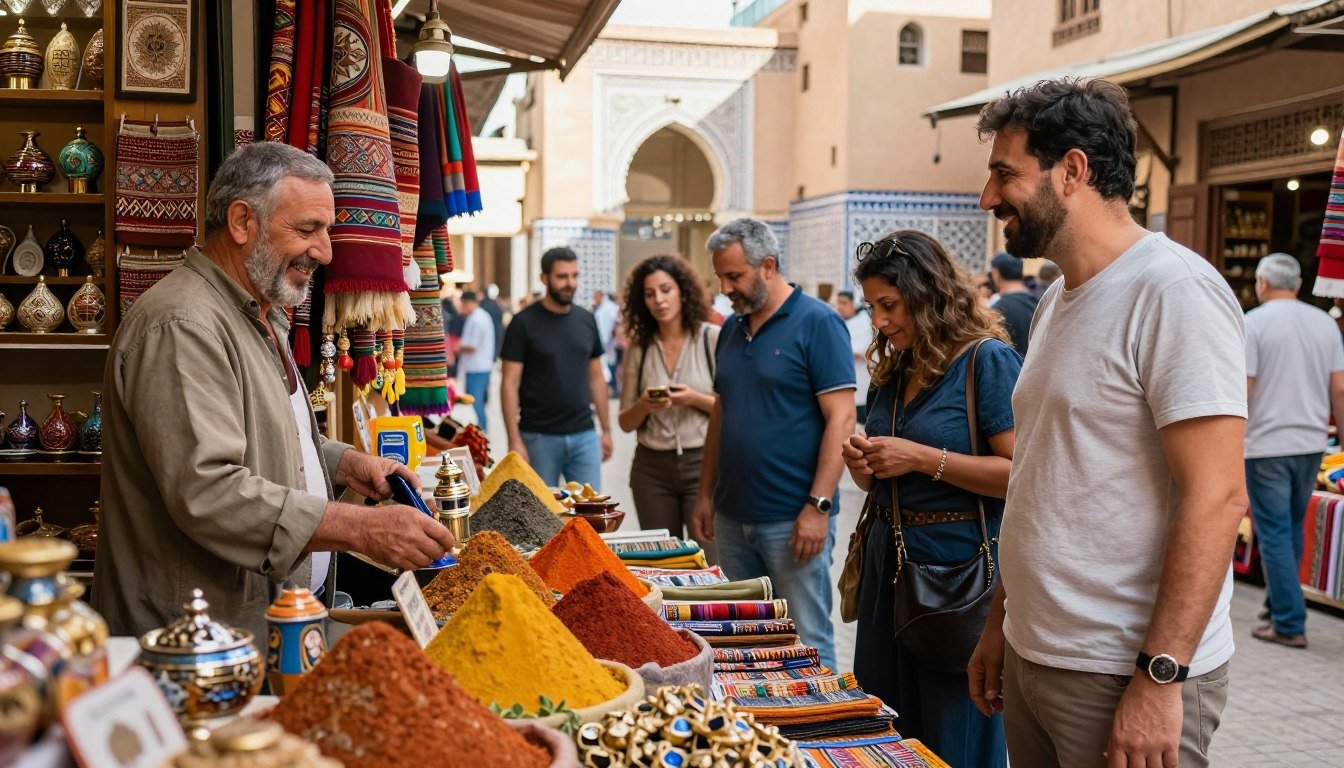
Navigating Morocco’s vibrant souks and markets can be a thrilling experience. To do so safely, be prepared to haggle, keep your belongings secure, and avoid displaying signs of wealth. It’s also a good idea to shop during the day when markets are less crowded.
| Safety Concern | Prevention Tips |
|---|---|
| Petty Theft | Secure valuables, be mindful of surroundings |
| Street Harassment | Dress modestly, avoid engaging with harassers |
| Terrorism Risk | Stay informed, follow government travel advisories |
| Souk Safety | Haggle carefully, keep belongings secure |
To ensure a respectful and enjoyable visit to Morocco, understanding the local cultural etiquette is essential. Morocco is a country with a rich cultural heritage, and being mindful of certain customs and traditions can greatly enhance your travel experience.
Morocco is a conservative country, and dressing modestly is crucial. For both men and women, it’s recommended to cover shoulders and knees. Women should consider wearing loose-fitting clothing that covers their arms and legs. Men should also dress modestly, avoiding shorts and sleeveless shirts, especially when visiting mosques or rural areas.
Morocco is an Islamic country, and respecting religious customs is vital. During Ramadan, the holy month of fasting, visitors should be considerate of those fasting by avoiding eating, drinking, and smoking in public during daylight hours. It’s also a good idea to be respectful when visiting mosques or other religious sites.
When interacting with locals, it’s essential to be respectful and polite. Using basic Arabic greetings like “As-salamu alaykum” (peace be upon you) can go a long way in showing respect. When taking photos, always ask for permission before photographing people, especially in rural areas or during religious events.
Travelers to Morocco need to be aware of the health and medical safety considerations to make the most of their visit. Morocco, like many countries, has its unique health challenges, but with proper preparation, visitors can minimize risks and enjoy their trip.
Before traveling to Morocco, it’s essential to consult with a healthcare provider about recommended vaccinations and medications. Routine vaccinations such as MMR, DTaP, and polio are usually recommended, and depending on the time of year and areas you plan to visit, additional vaccinations like Hepatitis A might be suggested.
To avoid foodborne illnesses, travelers should be cautious with what they eat and drink. Sticking to bottled or filtered water and avoiding undercooked meat or raw vegetables can significantly reduce the risk. Additionally, eating at reputable restaurants and street food stalls that are busy and have a high turnover can help ensure food safety.
Morocco has a decent healthcare system, particularly in major cities like Marrakech and Casablanca, where there are modern hospitals and clinics. However, the quality of care can vary, and not all medical staff may speak English. It’s crucial to have travel insurance that covers medical evacuations if needed.
Having comprehensive travel insurance is vital for covering any unexpected medical expenses. Policies should include coverage for medical emergencies, hospital stays, and evacuations. Travelers should check their policy details to ensure they are adequately covered for their trip to Morocco.
Understanding the various transportation methods in Morocco is crucial for a safe and enjoyable trip. Morocco offers a range of transportation options, catering to different needs and preferences.
Morocco’s public transportation system is well-developed, with buses and trains connecting major cities and towns. The ONCF train network is particularly reliable, offering comfortable and relatively quick journeys between destinations like Marrakech, Fez, and Casablanca. Bus services, including those operated by Supratours, provide an affordable alternative.
Taxis are ubiquitous in Morocco, with petit taxis serving within cities and grand taxis operating between towns. While generally safe, it’s essential to agree on fares before starting your journey. Ride-hailing services are less common, but some cities have local equivalents.
Renting a car can offer flexibility, but driving in Morocco comes with challenges. Roads can be chaotic, especially in urban areas. Be prepared for aggressive driving and ensure you have the necessary insurance coverage.
Traveling at night requires extra caution. While many Moroccans drive at night, roads can be less lit, and some areas may be restricted. For safety, consider traveling during daylight hours when possible.
| Transport Mode | Safety Considerations | Tips |
|---|---|---|
| Public Transportation | Reliable, but beware of pickpocketing | Keep valuables secure, be aware of your surroundings |
| Taxis | Generally safe, but agree on fares first | Use licensed taxis, negotiate prices before departure |
| Driving | Chaotic roads, aggressive drivers | Stay alert, follow local driving customs, ensure proper insurance |
Before embarking on your Moroccan journey, familiarizing yourself with essential safety tips can help you navigate the country with confidence. Morocco, known for its vibrant culture and diverse landscapes, requires some preparation to ensure a safe and enjoyable trip.
Proper pre-trip preparation is crucial. Ensure your passport is valid for at least six months beyond your planned departure date. Check if you need a visa to enter Morocco and apply in advance if necessary. It’s also wise to make digital copies of important documents like your passport, visa, and travel insurance, and leave a copy with a trusted friend or family member back home.
Recommended vaccinations include Hepatitis A and typhoid. Consult your healthcare provider for personalized advice.
Morocco is generally a cash-based economy. While major cities accept credit cards, cash is preferred, especially in smaller towns and traditional markets. Be cautious with ATMs, using those located in secure areas, and be aware of your surroundings when handling money.
| Common Scams | Prevention Tips |
|---|---|
| Pickpocketing in crowded areas | Keep valuables secure and be mindful of your belongings |
| Overpriced goods in markets | Research prices beforehand and negotiate calmly |
In case of an emergency, it’s essential to have the right contacts. Your country’s embassy or consulate can provide assistance. Keep a list of emergency numbers, including the local police and your country’s emergency number.
Staying connected can enhance your safety. Consider purchasing a local SIM card or portable Wi-Fi hotspot for data access. Register with your country’s travel advisory department to receive important safety and security updates about Morocco.

As you’ve explored the various aspects of safety in Morocco, it’s clear that with proper knowledge and preparation, this vibrant country can be a wonderful destination for travelers. By understanding the overall security situation, being aware of regional safety considerations, and taking necessary precautions, you can have a safe and enjoyable experience in Morocco.
A reveals that Morocco is generally a secure country, with most areas being safe for tourists. However, as with any travel destination, it’s essential to remain vigilant and informed. By following the tips and guidelines outlined in this article, you can minimize risks and maximize your enjoyment of Morocco’s rich culture, stunning landscapes, and warm hospitality.
In , it’s evident that being prepared is key to a successful trip. By staying informed, respecting local customs, and taking necessary safety precautions, you can have a memorable and enriching experience in Morocco. Whether you’re exploring the bustling souks of Marrakech, relaxing on the beaches of Essaouira, or trekking through the Atlas Mountains, Morocco has much to offer the discerning traveler.
Morocco is generally considered a safe country for tourists, with low crime rates compared to other countries. However, as with any travel destination, it’s essential to take necessary precautions to ensure a safe and enjoyable trip.
Common safety concerns in Morocco include petty theft, pickpocketing, and scams, particularly in crowded areas and tourist hotspots. Additionally, travelers should be aware of street harassment and unwanted attention, especially for solo female travelers.
Solo female travelers in Morocco should be aware of the local culture and dress modestly to avoid unwanted attention. They should also be cautious when interacting with locals, especially men, and avoid traveling alone at night.
When using public transportation in Morocco, it’s recommended to use licensed taxis or ride-sharing services, and to be aware of your surroundings, especially in crowded buses and trains. Additionally, keep an eye on your belongings and be cautious of scams.
To avoid scams and petty theft in Morocco, be aware of your surroundings, keep valuables secure, and avoid displaying signs of wealth. Additionally, be cautious of overly friendly locals who may be trying to scam you, and avoid engaging with aggressive vendors.
Travelers to Morocco should be aware of the risk of food and water-borne illnesses, and take necessary precautions such as drinking bottled water and eating at reputable restaurants. Additionally, they should ensure they have all necessary vaccinations and medications before traveling.
In case of an emergency in Morocco, dial the local emergency number, 15, or contact your country’s embassy or consulate. Additionally, make sure you have travel insurance that covers medical evacuations and other emergencies.
Credit cards and ATMs are widely accepted in Morocco, but travelers should be aware of the risk of card skimming and other scams. Use ATMs located in secure areas, and cover the keypad when entering your PIN.
Travelers can stay connected in Morocco by purchasing a local SIM card or portable Wi-Fi hotspot, and using messaging apps to stay in touch with family and friends. Additionally, many cafes and restaurants offer free Wi-Fi.