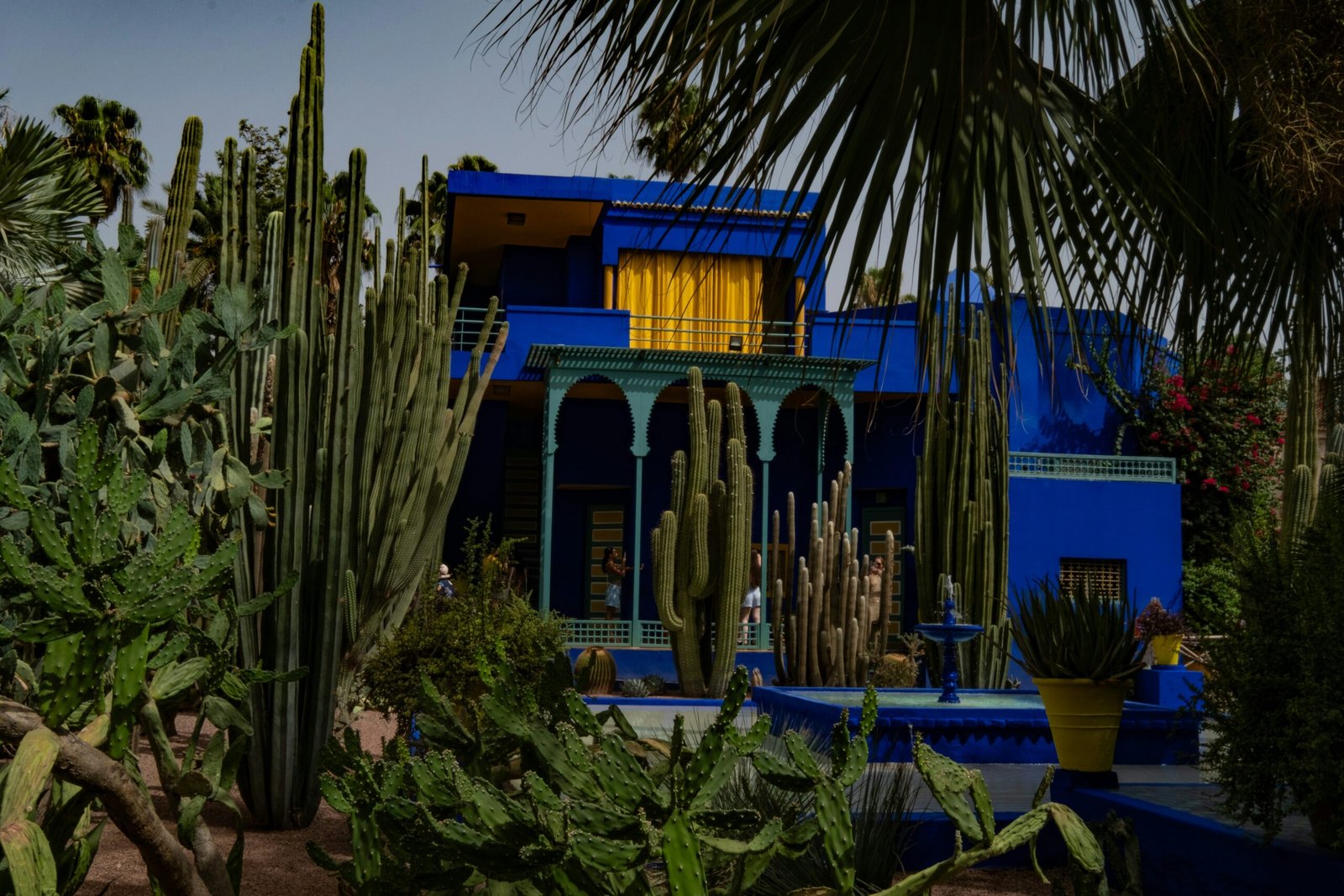
Planning a trip to Morocco and wondering when to go? The truth is that there is no single answer. The best time to visit Morocco depends on the type of experience you are looking for. Some travelers dream of exploring the Sahara Desert under clear skies, while others prefer wandering through the colorful medinas of Marrakech and Fes, hiking in the Atlas Mountains, or relaxing on the Atlantic coast.
Thanks to its diverse geography, Morocco offers different climates throughout the year. You can experience snow-covered mountains, warm beaches, bustling imperial cities, and golden desert dunes all within the same country. Understanding Morocco’s travel seasons can help you avoid extreme temperatures, reduce costs, and make the most of your adventure.
In this complete Morocco travel guide, you’ll discover the weather month by month, the best destinations for each season, and practical advice to help you choose the perfect time for your trip.
Before planning your itinerary, you may also enjoy reading our guides to Best Things to Do in Morocco and Top Places to Visit in Morocco.
Morocco is a year-round destination, but weather conditions can vary dramatically depending on where and when you travel. Choosing the right season can significantly impact your overall experience.
The climate in Morocco is incredibly diverse. Coastal cities such as Essaouira and Agadir enjoy mild temperatures throughout the year, while inland cities like Marrakech and Fes experience much hotter summers. In the Atlas Mountains, temperatures can drop below freezing during winter, whereas the Sahara Desert sees extreme temperature swings between day and night.
Spring and autumn are considered the peak tourist seasons. During these months, attractions, hotels, and desert camps tend to be busier due to pleasant weather conditions. Summer attracts beachgoers and family travelers, while winter is popular among visitors seeking fewer crowds and lower prices.
Accommodation rates and tour prices fluctuate throughout the year. Peak travel periods such as Easter, Christmas, and New Year often see increased demand and higher prices. Traveling during shoulder seasons can offer excellent weather while helping you save money.
The best time for a Sahara desert tour is different from the best time for hiking in the Atlas Mountains or surfing on the Atlantic coast. Understanding Morocco’s travel seasons allows you to align your trip with the activities you enjoy most.
Morocco’s climate varies significantly by region. Here’s a quick overview of what to expect in different parts of the country.
Cities such as Essaouira, Casablanca, and Agadir enjoy a temperate coastal climate throughout the year. Summers are generally warm rather than excessively hot, while winters remain mild. Ocean breezes help regulate temperatures, making the coast an excellent destination year-round.
Marrakech, Fes, Meknes, and Rabat experience more pronounced seasonal changes. Spring and autumn bring pleasant temperatures ideal for sightseeing. Summers can become very hot, particularly in Marrakech and Fes, where daytime temperatures frequently exceed 40°C (104°F).
The Atlas Mountains experience cooler temperatures than the rest of Morocco. Winter brings snowfall to higher elevations, while spring and autumn provide ideal hiking conditions. Summer offers a refreshing escape from the heat of the cities.
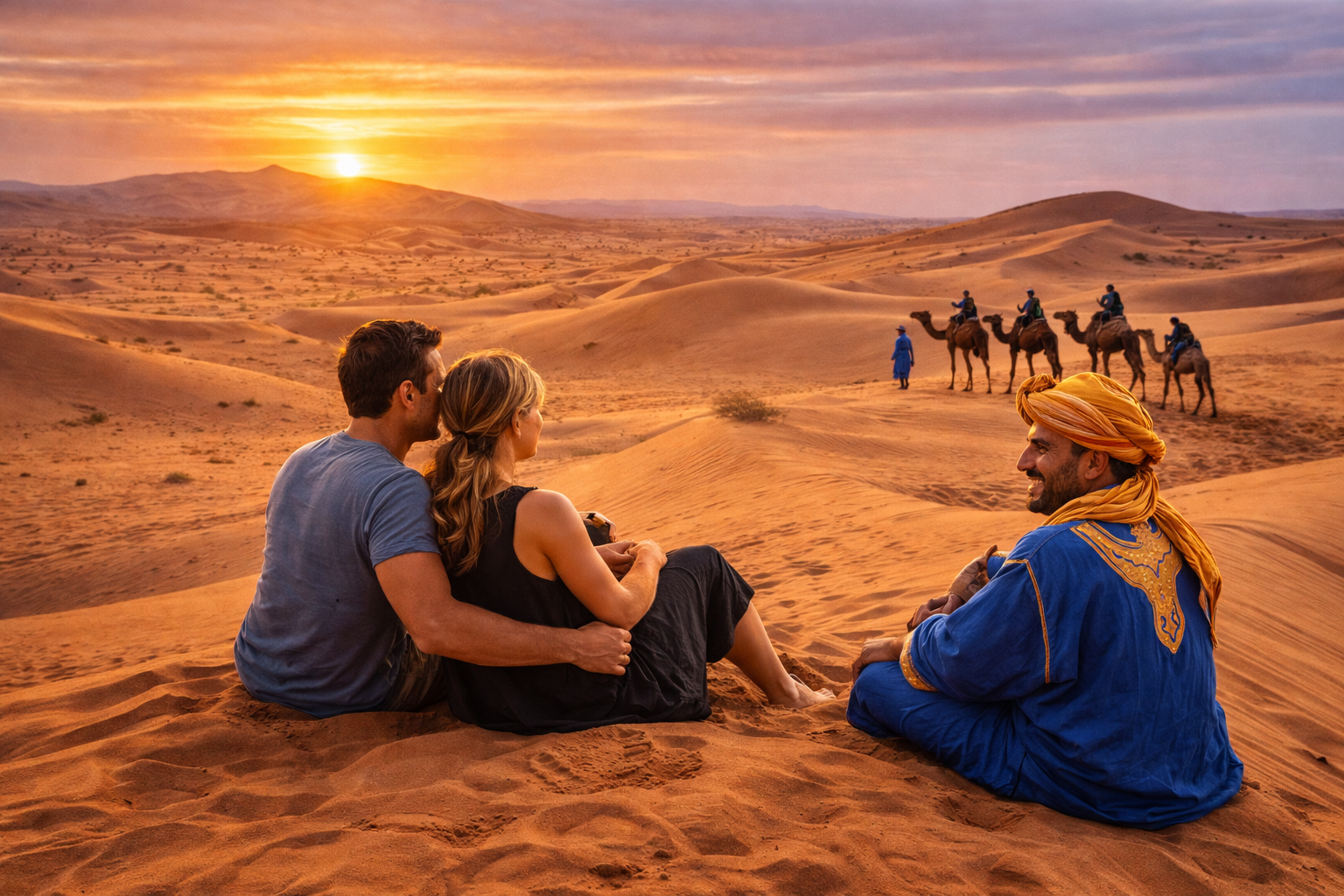
The Sahara Desert experiences dramatic temperature fluctuations. Summer days can be extremely hot, while winter nights can become surprisingly cold. Spring and autumn are generally considered the best seasons for desert adventures.
January is one of Morocco’s coolest months, making it a pleasant time to explore cities and cultural attractions without the intense heat found later in the year.
January is particularly suitable for travelers who prefer cooler weather and fewer crowds while exploring Morocco’s historical cities and cultural landmarks.
February offers similar conditions to January but with slightly warmer temperatures and the first signs of spring appearing across parts of the country.
Travelers seeking a balance between comfortable weather and attractive prices often find February to be one of Morocco’s most underrated months.
March marks the beginning of spring, widely regarded as one of the best times to visit Morocco. Landscapes become greener, flowers bloom, and temperatures remain comfortable throughout most regions.
March is often considered one of the best months to visit Morocco thanks to its combination of pleasant temperatures and beautiful landscapes.
April is one of the most popular months for tourism in Morocco. Temperatures are warm but rarely uncomfortable, making it ideal for both cultural visits and outdoor adventures.
For many travelers, April represents the perfect balance between sunshine, comfortable temperatures, and access to all of Morocco’s major attractions.
May continues the excellent conditions of spring while offering slightly warmer temperatures. It is frequently ranked among the best months to visit Morocco.
May is particularly attractive for travelers who want to combine city exploration, mountain adventures, and coastal relaxation in a single trip.
June marks the transition into summer. Temperatures begin rising significantly in inland cities, while coastal destinations remain pleasantly comfortable.
June is ideal for travelers who enjoy warm weather and plan to spend time along Morocco’s Atlantic coastline while still exploring selected inland destinations.
Morocco is a fantastic destination for family travel, offering a mix of cultural experiences, outdoor adventures, beaches, desert excursions, and family-friendly accommodations.
The best time for families to visit Morocco is during the spring and autumn seasons. These periods offer comfortable temperatures, making it easier for children to enjoy sightseeing, outdoor activities, and long travel days.
Families traveling during these months can comfortably visit Marrakech, explore the Sahara Desert, discover traditional medinas, enjoy camel rides, and experience the Atlas Mountains without extreme temperatures.
Summer can still be enjoyable for beach-focused vacations in destinations such as Agadir and Essaouira, where ocean breezes help moderate temperatures.
Traveling during the low season can significantly reduce costs for flights, hotels, and tours. Morocco remains accessible throughout the year, but certain months provide better value than others.
During these months, travelers often find lower accommodation rates, greater availability, and fewer crowds at major attractions.
Budget-conscious travelers can still enjoy excellent weather in many parts of the country while benefiting from reduced travel expenses.
If you’re planning a trip, don’t forget to read our guide: Is Morocco Safe to Travel?
| Month | Weather | Crowds | Desert Tours | Cities | Beaches | Hiking |
|---|---|---|---|---|---|---|
| January | Cool | Low | Good | Excellent | Fair | Fair |
| February | Cool | Low | Good | Excellent | Fair | Fair |
| March | Excellent | Medium | Excellent | Excellent | Good | Excellent |
| April | Excellent | High | Excellent | Excellent | Good | Excellent |
| May | Excellent | High | Excellent | Excellent | Excellent | Excellent |
| June | Warm | Medium | Good | Good | Excellent | Excellent |
| July | Hot | High | Fair | Fair | Excellent | Good |
| August | Very Hot | High | Fair | Fair | Excellent | Good |
| September | Excellent | Medium | Excellent | Excellent | Excellent | Excellent |
| October | Excellent | High | Excellent | Excellent | Excellent | Excellent |
| November | Good | Low | Excellent | Excellent | Good | Excellent |
| December | Good | Medium | Good | Excellent | Fair | Fair |
If you’re looking for the overall best time to visit Morocco, the clear winners are spring (March to May) and autumn (September to November). These seasons provide the ideal combination of pleasant weather, comfortable sightseeing conditions, excellent desert experiences, and perfect hiking opportunities.
For most travelers, April, May, September, and October represent the sweet spot. During these months, you can comfortably explore Marrakech, wander through ancient medinas, trek in the Atlas Mountains, and spend unforgettable nights beneath the stars in the Sahara Desert.
That said, Morocco is truly a year-round destination:
No matter when you visit, Morocco offers a unique blend of culture, adventure, history, landscapes, and hospitality that makes every season rewarding.
To continue planning your trip, explore:
Some inland cities such as Marrakech and Fes can experience temperatures above 40°C (104°F) during July and August. Coastal destinations like Essaouira and Agadir remain significantly cooler thanks to Atlantic Ocean breezes.
Most rainfall occurs between November and March, particularly in northern regions and along the Atlantic coast. However, Morocco generally experiences far less rainfall than many European destinations.
April and October are often considered the best months to visit Marrakech due to their ideal temperatures and comfortable sightseeing conditions.
The best months for Sahara Desert tours are March, April, May, September, October, and November when temperatures are pleasant during both the day and evening.
Yes. Winter is an excellent time to visit Morocco, especially for travelers seeking mild temperatures, fewer crowds, lower prices, and comfortable city sightseeing.